Looking for a ventless heater for a garage? This guide highlights five top options, focusing on safe, efficient heat for spaces like single-car bays or small workshops. Each choice explains who it’s best for, and why it stands out, along with practical cautions. Ideal buyers include DIY enthusiasts needing quick warmth, homeowners seeking simple installation, and workshop users who want reliable heat without exhaust vents.
| Product | Best For | BTU / Area | Fuel |
|---|---|---|---|
| Mr. Heater 30,000 BTU Vent Free Blue Flame | Small to medium garages | 30,000 BTU | Natural Gas |
| ProCom Dual Fuel Ventless Blue Flame Garage Heater | Versatile fuel setup | 30,000 BTU | Gas or Propane |
| ProCom Infrared 10,000 BTU Ventless Plaque | Compact spaces | 10,000 BTU | Natural Gas |
| Buyplus 1500W Outdoor/Indoor Heater | Electric heat without vents | 1500W | Electric |
| Mr. Heater 50,000 BTU Forced-Air Unit | Medium to large garages | 50,000 BTU | Gas |
Mr. Heater 30,000 BTU Vent Free Blue Flame Natural Gas Heater

This vent-free unit delivers 30,000 BTU per hour to heat up to about 1,000 square feet. It uses a battery-operated electronic ignition, which supports quick starts. Best for small to medium garages that rely on natural gas and want a straightforward installation.
Who this is best for: homeowners needing a reliable gas heater without venting, and buyers prioritizing simple ignition and solid heat output. Why selected: strong heat for mid-sized spaces and a compact design. Caution: ensure proper clearance and ventilation per local codes to avoid carbon monoxide risks.
ProCom Dual Fuel Ventless Blue Flame Garage Heater — 30,000 BTU
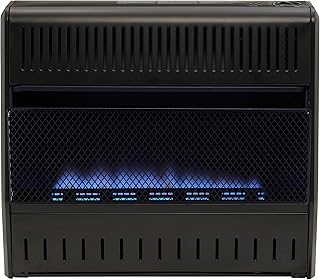
This dual-fuel model can operate on either natural gas or propane, delivering 30,000 BTU with thermostatic control. Its dual-fuel technology is designed for flexible fuel options with high efficiency. Best for garages where fuel availability varies or where you want a thermostat-controlled heat source.
Who this is best for: buyers who value fuel flexibility and precise temperature control. Why selected: 99.9% efficiency claim and dual-fuel capability. Caution: verify compatibility with your existing gas line and venting requirements for your locale.
ProCom 10,000 BTU Ventless Infrared Plaque Heater
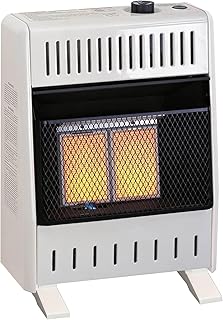
This compact infrared plaque heater provides up to 10,000 BTU and is suited for smaller rooms or workspaces up to around 500 square feet. Thermostat control with high/medium/low settings helps tailor comfort. Best for offices, bedrooms, or small garages where space is constrained.
Who this is best for: users needing a slim, space-saving heater without a large footprint. Why selected: lightweight and modern profile; easy mounting or floor placement. Caution: limited heat output means it may take longer to warm a large garage compared to higher BTU units.
Buyplus 1500W Outdoor Heater For Garage

This electric space heater offers 1500W of heat, suitable for larger garages or greenhouse spaces up to about 200 square feet. It includes overheat and tipping protection. Best for electric-ready spaces where vent-free operation is a priority and fuel isn’t desired. Choose this if you need a quick, clean heat source without gas lines.
Who this is best for: electric-only setups and spaces where venting is a constraint. Why selected: PTC heating element for fast warm-up and ETL certified safety. Caution: electric heaters may run continuously in extreme cold, increasing energy use.
Mr. Heater 50,000 BTU Forced-Air Unit Heater

A ceiling-mounted forced-air unit heats large spaces, with 50,000 BTU capable of warming about 1,667 square feet. It’s designed for garages, barns, and workshops and supports standard 24-volt or Wi‑Fi thermostats (sold separately). Best for mid-to-large spaces where a robust, centralized heating solution is needed.
Who this is best for: users who want a powerful, hard-wired solution and thermostat integration. Why selected: wide coverage and compatibility with smart thermostats. Caution: professional installation may be required and ensure adequate clearance from combustibles.
Buying Guide
What size space will you heat? Larger spaces need higher BTU units or multiple heaters. If you’re choosing ventless gas models, confirm clearance requirements and local codes for indoor gas appliance installation.
Fuel type matters: natural gas units avoid on-site propane storage but require a gas line; propane offers flexibility but needs a tank. Electric options avoid combustion byproducts but depend on electrical capacity.
Thermostat and controls: look for built-in thermostats or compatibility with external thermostats. Thermostatic control helps maintain even temperatures and reduces energy use.
Safety features: prioritize units with tip-over and overheat protection. For gas heaters, ensure CO detectors and proper ventilation recommendations are followed even when ventless.
Space considerations: ceiling-mounted units distribute heat broadly; infrared plaques are compact and quick to warm nearby spaces; electric options can be easier to install where gas lines are not available.
Installation and maintenance: verify whether professional installation is required, especially for gas models. Regular inspections of vent-free heaters help ensure safe operation over time.
FAQ
- Are ventless heaters safe for garages? Yes, when installed according to local codes and with proper ventilation and CO detectors where required. Follow manufacturer guidelines for clearance and operation.
- Which heater is best for large garages? The 50,000 BTU forced-air unit is designed for bigger spaces, offering broader coverage and compatibility with thermostats.
- Can I use a dual-fuel heater in propane or natural gas? Yes, dual-fuel models support both fuel types, providing flexibility based on fuel availability and cost.
- Do electric garage heaters require professional wiring? Some may, especially higher-wattage models. Check local electrical codes and consult a licensed electrician if needed.
- What is the main trade-off between gas and electric ventless heaters? Gas units provide robust heat in larger spaces but require gas lines and venting considerations; electric units are easier to install but may require more electrical capacity and can cost more to run long-term.
- Should I use a thermostat with a ventless heater? Yes. A thermostat helps maintain stable temperatures and improves energy efficiency, especially in uninsulated garages.