Looking for an indoor wood burning heater that delivers reliable warmth and safe operation? This guide highlights five top options best suited for different living spaces and needs. Whether you want compact heat, dual-fuel versatility, or a larger living area heater, these picks offer clear benefits and practical trade-offs. This overview helps buyers decide who each product is best for and why.
Summary table of chosen products:
| Product | Best For | Fuel Type | Key Benefit | Typical Space Coverage |
|---|---|---|---|---|
| Comfort Glow Cast Iron Wood Stove – Indoor EPA Certified Heater | Small to medium rooms | Wood | Reliable heat retention with cast iron durability | Up to 900 sq ft |
| Smokeless Gasifier Wood & Coal Heating Stove | Versatile heating and cooking | Wood/Coal | Dual-fuel versatility and rapid warm-up | Whole-house style heating |
| Indoor Wood-Burning Heating Stove (Marsyyds) | Camping-to-cabin setups or portable indoor use | Wood | Durable, portable, versatile cooking surface | Small to medium spaces |
| Cast Iron Wood Burning Stove Fireplace (Acdesino) | Clear view of fire and easy refueling | Wood | Secondary combustion and airwash for cleaner glass | Medium spaces |
| US Stove US1100E-BL 1,200 sqft Wood Stove | Larger living areas | Wood | High BTU output with blower for even heat distribution | Up to 1,200 sq ft |
Comfort Glow Cast Iron Wood Stove – Indoor EPA Certified Heater

Best for compact living spaces, this stove heats up to 900 square feet and is designed to accommodate 22″ logs. Its heavy-duty cast iron construction promotes long-lasting heat retention, making it a solid choice for small to medium rooms. The 6″ flue collar supports common venting setups, and a basic cooking surface adds utility beyond space heating.
Who it’s best for: homeowners needing reliable, steady heat in a smaller lounge or apartment, with the option to warm a nearby cooking area. Caution: ensure proper clearance and venting to prevent overheating or smoke concerns in tightly enclosed spaces.
Smokeless Gasifier Wood & Coal Heating Stove

This dual-fuel unit supports both wood and coal, offering strong heat output and quick house-wide warming. The manganese steel construction implies robustness, and the dual-function design is suited for cooking and heating during colder seasons. It is a flexible option for homes where fuel availability may vary or where cooking functionality is a plus.
Who it’s best for: households seeking a single device for heat and cooking with fuel flexibility. Caution: check local regulations and ensure adequate ventilation when burning coal indoors to minimize emissions and odors.
Indoor Wood-Burning Heating Stove (Marsyyds)

Designed for rugged outdoor-style use in indoor settings, this heavy-duty stove emphasizes portability and durability. Its 11.4″ x 11.4″ base and 21″ height make it relatively compact for transport while offering a solid firebox for controlled burning. It is particularly suitable for camping-to-cabin transitions or small cabins needing a flexible heating source.
Who it’s best for: outdoor enthusiasts who need an indoor-capable stove for temporary or seasonal spaces. Caution: portability can come with assembly requirements; verify venting compatibility for indoor use and avoid overloading the unit with oversized logs.
Cast Iron Wood Burning Stove Fireplace (Acdesino)
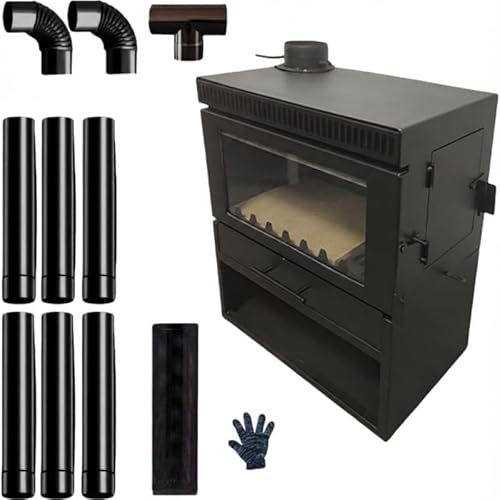
This model emphasizes clear viewing with a large glass window and a secondary combustion system. Dual-loading doors enable flexible refueling, while airwash technology helps keep the glass clean for better visibility of the flames. It pairs a classic cast-iron build with practical features for steady indoor heating.
Who it’s best for: homes that value a large viewing area and easy refueling during long burn cycles. Caution: ensure the unit is placed where both doors can open without obstruction and that the flue damper is used correctly to avoid smoking during startup.
US Stove US1100E-BL 1,200 sqft Wood Stove

A higher-capacity option, this stove is designed to heat larger spaces up to 1,200 square feet and includes a blower to distribute heat more evenly. It ships with freight delivery considerations and a sizeable firebox for long burn times. This is best for open-plan living rooms or larger layouts where steady heat is essential.
Who it’s best for: homeowners seeking substantial heat output and improved airflow in bigger living areas. Caution: ensure you have suitable electrical access for the blower and plan for proper curbside delivery when scheduling installation.
Buying Guide
What should I consider when choosing an indoor wood burning heater?
Key factors include heat output, space size, and fuel type. Match the BTU rating or square footage guidance to your room. For smaller rooms, choose compact stoves with efficient burn and good insulation. For larger spaces, look for higher BTU capacity and a blower option to maximize heat distribution.
What about safety and installation?
Proper clearances from walls and furniture, a compliant chimney or flue, and a working carbon monoxide detector are essential. Verify venting requirements and local codes before installation. Look for features like a built-in damper, heat shields, and easy-clean ash systems to minimize maintenance and risk.
Dual-fuel and cooking features: are they worth it?
Dual-fuel designs offer flexibility when wood supply is uncertain or when you want to use coal. Cooking surfaces or integrated ovens add utility in off-grid scenarios. Consider how often you will use the cooking feature and whether fuel availability justifies the extra cost and complexity.
Installation environment and durability
Cast iron stoves deliver reliable heat retention but can be heavier and require sturdier floor support. Steel or manganese-steel builds may be lighter and quicker to heat but could show wear over time. Outdoor-style designs may translate well for cabins or garages but require proper indoor ventilation and safe clearance.
Maintenance and upkeep
Look for stoves with removable ash pans or easy-access ash drawers. Secondary combustion and airwash systems help keep glass cleaner and improve efficiency. Regular chimney inspections prevent creosote buildup and reduce fire risk.
Frequently Asked Questions
- What is the typical space coverage for indoor wood stoves? Most compact units cover up to 900 sq ft, while larger models can heat around 1,200 sq ft or more with a blower.
- Do I need a professional to install an indoor wood stove? Installation often requires venting, clearances, and adherence to local codes. A professional installation is recommended to ensure safety and compliance.
- Is dual-fuel heating better than single fuel? Dual-fuel offerings provide versatility in fuel choice and can offer broader use cases, but they may be more complex and require more maintenance.
- Can these stoves be used for cooking? Some models include cooking surfaces or compartments, but most are primarily for heat. If cooking is a priority, choose a dual-function model and verify its cooking capabilities.
- What maintenance is necessary? Regular ash removal, chimney cleaning, and inspection of seals and gaskets help maintain efficiency and safety.
- Are these stoves EPA certified? Several listed options include EPA-certified models, which helps ensure cleaner burning and compliance with standards.