Upgrade your electric baseboard heating with smart, programmable thermostats that fit 120V to 240V systems. This guide highlights five top options that balance ease of install, power handling, and integration with HomeKit, Alexa, and Google Assistant. Each product offers features such as remote control, energy-saving schedules, and safety considerations to help you maintain warmth efficiently throughout the year.
| Product | Brand | Model / Type |
|---|---|---|
| Mysa Smart Thermostat LITE | Mysa | Line Voltage 120V/240V |
| Mysa Smart Thermostat (240V) | Mysa | Electric Baseboard 240V |
| Cadet F Series BTF2W | Cadet | Double Pole Built-In 22 Amp |
| Honeywell Home CT410B | Honeywell Home | Manual 4-Wire 120-240V |
| meross Smart Thermostat | meross | 4-Wire 120V-240V High Voltage |
Mysa Smart Thermostat LITE for Line Voltage Heaters
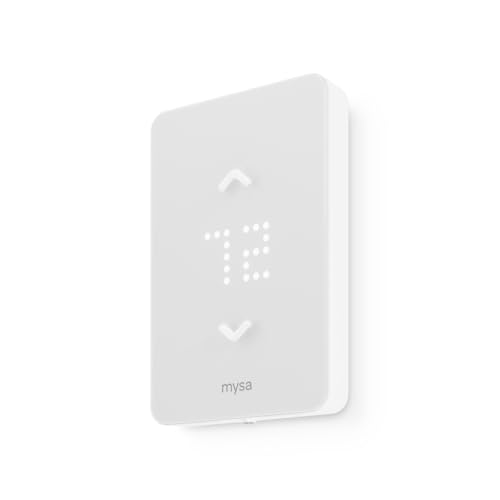
The Mysa LITE is a Wi-Fi-enabled thermostat designed for line voltage electric baseboard heaters, fan-forced heaters, and convectors at 120V-240V. It supports custom daily schedules to optimize heating usage and offers remote control through a free app. Users can monitor energy use and integrate with HomeKit, Alexa, and Google Assistant. The device emphasizes an IP-agnostic installation approach, with no required subscriptions to use its core features.
Mysa Smart Thermostat for 240V Baseboard Heaters

This Mysa model is tailored for 240V baseboard systems, with remote control via a 100% free app and compatibility with HomeKit, Alexa, and Google Home. It supports loads up to 3800W at 240V and requires at least four wires (including a neutral or second live wire). It includes adaptive display features for brightness and a compact design, while emphasizing compatibility checks for older or two-wire installations before purchase.
Cadet F Series BTF2W Double Pole Thermostat

The Cadet F Series BTF2W is a built-in double-pole thermostat designed for Cadet baseboard heaters. It offers a broad temperature range from 45ºF to 80ºF and is installed at either end of the baseboard unit, reducing wiring complexity. The model is specifically matched to Cadet F series heaters, providing straightforward compatibility with Cadet installations and simple control via a dial interface.
Honeywell Home CT410B Manual Baseboard Thermostat
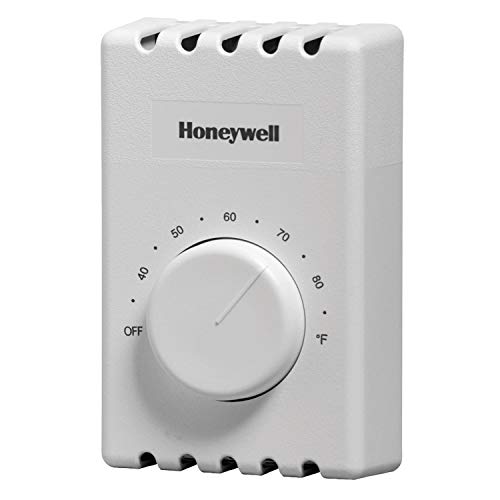
The Honeywell CT410B is a non-programmable, manual line-voltage thermostat suitable for 120-240V electric baseboards and convectors. It uses a bimetal sensor for dependable, straightforward temperature control. The CT410B is recognized for its simplicity and reliability in environments where manual adjustment is preferred or when smart integration is not required.
meross Smart Thermostat for Electric Baseboards

The meross smart thermostat supports 120V-240V high-voltage systems and works with Apple HomeKit, Alexa, and Google Home. It requires four or more wires and is designed for easy installation in under 30 minutes. The device emphasizes energy savings with smart scheduling and voice command compatibility, suitable for those seeking integrated home automation with baseboard heating.
Buying Guide: Key Considerations for Baseboard Thermostats
- Voltage and compatibility: Confirm your baseboard heater is 120V or 240V and whether the system is single- or multi-wire with a neutral. Some models require a neutral wire or additional live wires for proper operation.
- Control and connectivity: Decide between manual, programmable, or smart thermostats. If you want remote control and voice integration, choose devices with Wi-Fi and compatibility with HomeKit, Alexa, or Google Home.
- Energy efficiency: Look for programmable schedules, adaptive brightness displays, and energy usage reports. Features that automatically reduce heat when you’re away can lower energy costs.
- Installation and wiring: Some units are designed for easy end-of-baseboard mounting, while others require more wiring work. Ensure your wiring matches the thermostat’s requirements and that you’re comfortable with a potential professional install if needed.
- Safety and Siemens compatibility: For line-voltage systems, select thermostats with built-in safety features such as line isolation, robust overheat protection, or non-slip mounting to prevent accidental contact with hot surfaces.
- Future-proofing: Consider the ecosystem you prefer (HomeKit, Alexa, Google) and whether the device supports updates and ongoing feature enhancements without recurring subscriptions.
- Size and fit: Check the physical dimensions of the thermostat to ensure it fits on your existing wall or near your baseboard heater without crowding nearby outlets or switches.
In choosing a baseboard thermostat, weigh whether you want a simple manual model or a fully integrated smart system. For homes seeking energy efficiency and remote management, the Mysa and meross lines offer comprehensive smart features and platform compatibility. Cadet and Honeywell provide reliable, straightforward options for non-smart or specialized setups. The right choice depends on your wiring, preferred control method, and the level of smart home integration you’re aiming to achieve.